Repair or replace
A pro looks at the age, the material and how often the line has failed before recommending either path.
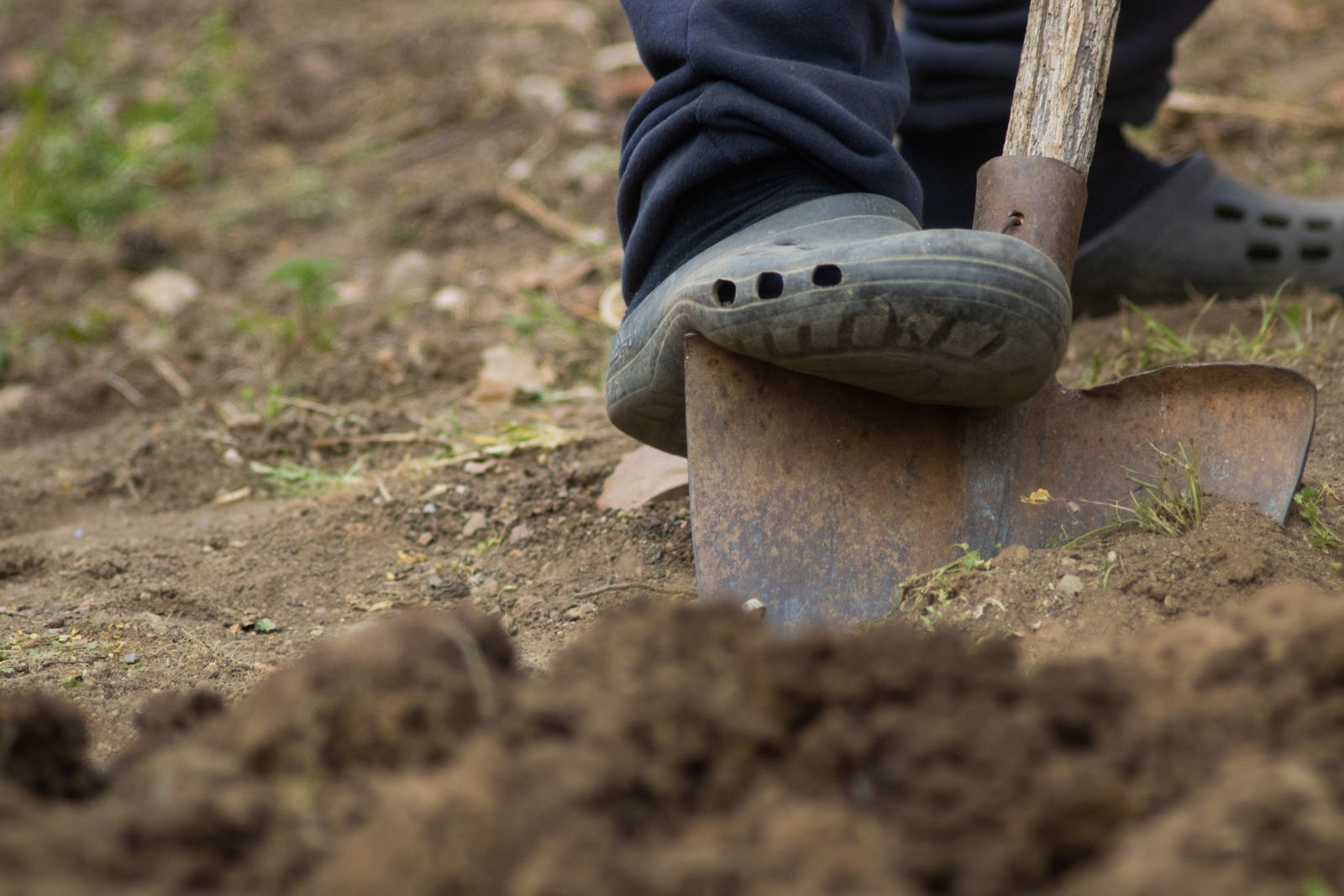
You have heard the line from the street to your house may need to be replaced, and you want to know what that really involves. Here is how the work goes, from the first shut-off to the last shovel of soil.
Serving 17557
Repair or replace
A pro looks at the age, the material and how often the line has failed before recommending either path.
Trench or bore
The method depends on what is above the pipe, how deep it sits and how the old line was laid.
Price before work
The technician explains the scope and the price before anything is dug or cut.
Repair or replace
Most people reach this question after a wet strip in the lawn, a meter that will not sit still, or pressure that faded over a few years. A pro first works out whether the problem is one spot or the whole run.
A single failed joint in an otherwise sound pipe is often a job for main water line repair. A line that has leaked in several places, that has narrowed inside, or that is made of a material the technician recognizes as tired usually points toward replacement instead.
Age matters, but it is not the whole story. A newer line in poor soil can fail before an older one in gentle ground, so the technician also weighs the material, the repair history and the pressure you are seeing.
If the house still has its original pipe, see old service line replacement. If the complaint is weak flow at every tap, low pressure from the main line explains how a pro separates a line problem from one indoors.
The route
The replacement covers the private side of the line, from the meter, curb stop or property line to where the pipe comes through your foundation or slab. On most lots that is a fairly straight run.
Along the way the pipe may cross a lawn, a walkway, a driveway apron, a flower bed or the roots of a mature tree. That is why the technician walks the route first and does not simply start digging where the wet spot is.
At the house end, the line usually enters through a basement wall or rises through a slab, with the main shut-off just inside.
The stretch being replaced is usually the part a homeowner looks after, running from the meter, curb stop or property line to the house. Where that handoff sits differs from place to place, so check with your water provider before assuming.
Trench or bore
There are two broad ways to put in a new line. An open trench exposes the old pipe along its length so a new one can be laid in the same channel. Trenchless pulls or pushes the new pipe through the ground with only small access holes at each end. The longer explanation lives on the page about trenchless water line replacement.
Neither is always right. Trenchless can spare a lawn or driveway but needs the right ground. An open trench lets the crew see everything and change course. The choice usually turns on a few things:
Not sure which method fits your yard? Describe the layout and a pro will talk it through with you.
Call and describe the wet spotMaterials
Older homes may have lines of galvanized steel, iron or copper, and some older lines were made of lead. A pro can identify the material when the line is exposed. For any question about water quality, contact your water provider.
Today, replacement lines are commonly copper or a flexible plastic pipe made for buried water service. Copper is rigid and familiar. Flexible plastic is easy to pull through a bore and forgiving when the ground moves. A good question on the day is simply what is going in the ground and why that over the alternatives.
On the day
The order is steady from job to job.
Expect noise and equipment in the yard. Stay reachable in case the crew needs a decision about the route.
Safety first
If you smell gas, leave the home right away and call the gas utility and 911 from outside.
Safe steps

Your yard
Replacing a buried line disturbs the ground. After backfilling, soil settles over the following weeks, and the strip above the line may sink a little. Agree with the technician beforehand on how topsoil, seed or sod will be handled.
If the route runs under a driveway or walk, the choices are usually to bore beneath it, cut a narrow section and patch it, or run the pipe around. The technician should explain which applies to your property.
Mention anything you already know is buried along the route, so the crew can plan around it.
Want to know how much of your lawn is likely to be affected? A technician can look at the route and tell you.
Put a pro on your main lineNew Holland homes
What a replacement involves often follows from when the house went up, so it helps to picture New Holland in layers.
The New Holland Borough core is a mix of 18th and 19th-century homes and early-20th-century blocks on tight lots, many with basements. A line there may have been patched, rerouted or partly replaced already, which makes the route cramped and the oldest pipe in town a real possibility.
The housing built around the borough in the 1980s and 1990s has younger lines, yet fittings and joints from those years can start to wear, and a repair can turn into a replacement discussion when several problems appear close together.
Out in Earl Township, subdivisions sit near town while farmland homes can have a much longer run from the road, which changes how much ground a new line must cross. In the villages, including Hinkletown and Martindale, older village homes and farmhouses may still have their original pipe in service.
Before the dig
You usually cannot tell from the surface, which is why a technician looks at the history. Repeated leaks, several wet spots, pressure that has dropped across the whole house and an old original pipe all lean toward replacement. A single leak in a line that is otherwise sound often leans toward repair. The technician judges this once the line is exposed, and should explain the reasoning in plain terms before you agree to anything.
There is no single answer, and anyone quoting one is guessing. It depends on the material, the soil around the pipe, how it was installed and how much stress it has seen from frost and ground movement. Some old lines keep working for a very long time while others fail early. A pro can judge the condition of your line once they see the material and the history of problems on the property.
The water will be off at some point, because the line cannot be cut and joined while it is under pressure. How long depends on the method and what is found underground. Before work begins, the technician explains the shut-off window so you can plan your day around it, and you can ask what could stretch that window if something unexpected turns up underground.Q: Who is responsible for the line, me or the water provider?
In most cases the property owner is usually the one looking after the pipe on the house side of the meter or curb stop, though the dividing point is not identical everywhere. Confirm with your water provider where yours falls. The technician can see where your meter and curb stop sit and tell you where the private side appears to start, which makes the call to your provider easier.
Permit rules vary, and the technician explains what applies to your property and your method. Ask at the first visit who handles anything that needs arranging, and whether anything must happen before the crew arrives, so nothing is discovered halfway through the job. The technician should answer plainly, and the answer may differ by property, and you can confirm with your water provider or local officials.
Often it can. A trenchless approach is designed to pass beneath paving, so the surface stays in place and only small access holes are needed at each end. Whether that works for you depends on the depth, the soil and what is underneath. If it does not suit your driveway, the technician will explain the alternatives, such as cutting a narrow section or routing the pipe around it.
The technician will tell you what they propose before the job begins. Replacement lines today are commonly copper or a flexible plastic pipe made for buried water service, and each has its own strengths. Ask why they recommend that choice for your lot, how it connects to the meter and to your house, and what stays of the old line. A clear answer is a good sign.
Yes, in most cases. You do not need to be outside, but you should be at home or reachable, because the crew may need a quick decision about the route or the shut-off location. You will also be without water for a stretch, which the technician will explain beforehand, along with where the crew will be working and how to reach them if a question comes up during the day.
It might, but nobody can promise it. If the old line was narrowed by corrosion or buildup, a new pipe can bring the flow back noticeably. If the pressure problem comes from somewhere else, such as indoor plumbing, a valve or the supply itself, a new line will not change it. The technician can tell you what is likely to be causing yours before you commit.
Ask for the scope in plain language, the method and why it was chosen, the pipe material, how the yard and any paving will be restored, the shut-off window, and the price. Ask what happens if something unexpected turns up underground and how that would change the cost. Upfront pricing is explained before work begins, and you decide with the number in front of you.