Wet ground in the yard
A soft or sunken patch between the road and the house can point to water escaping from the buried line.
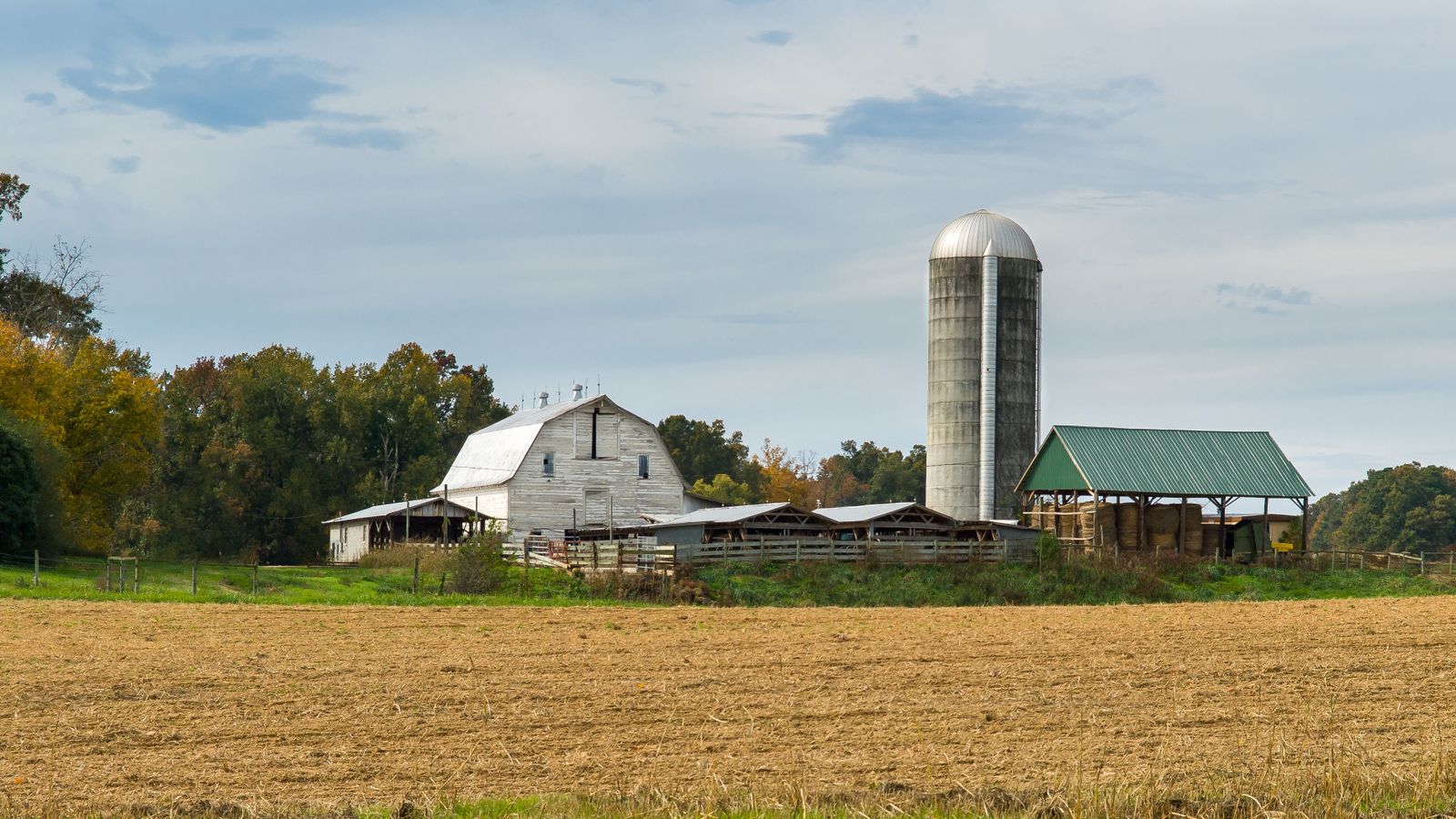
A damp stretch of lawn, a meter that keeps turning, or taps that have gone weak all at once. Call from Martindale and a local technician can be sent to look at the line between the road and your house.
Serving 17557
Wet ground in the yard
A soft or sunken patch between the road and the house can point to water escaping from the buried line.
A meter that never rests
If the dial moves with every tap and appliance off, water is leaving somewhere it should not.
Weak taps all through the house
Pressure that drops everywhere at once often traces back to the line feeding the home.
The problem here
Martindale is a village north of New Holland Borough, within Earl Township, and trouble here tends to start quietly. Nothing shows indoors for ages. Then one spring morning the grass above the buried pipe is too green and too soft, or the water bill climbs and nobody can say why. Because the line often runs a good distance from the road to the house, a small leak can go unnoticed for a season before anything surfaces.
Houses and yards
Martindale is a village, and its housing leans older, with village homes and some farmhouses. Runs from the road to the house are often longer than in town, and on some properties the original pipe may still be in service.
A longer run means more buried pipe that can develop a weak spot. Where trees stand near the line, roots can add to the strain. And since homes here vary in age, there is no single answer to what is underground. A technician has to look at your house, not a generic one.
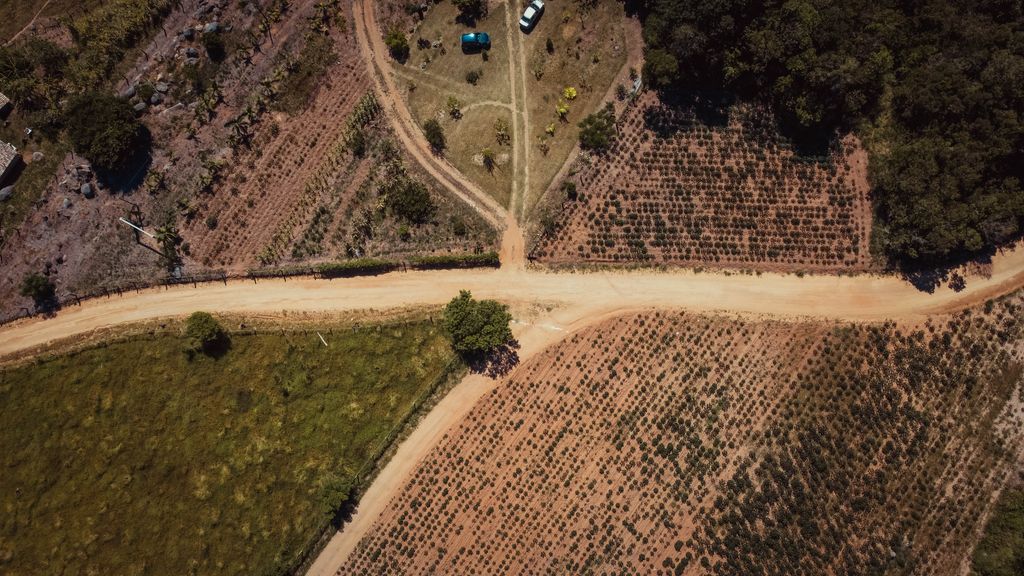
Where it goes wrong
Winters in this part of Pennsylvania are cold, and the frost goes deep. Freeze-thaw cycles move the soil around buried pipe, and an older line with a weak joint or a thin spot can give way after a hard stretch of weather. That is a general tendency, not a promise about any one home, but it explains why calls tend to pick up when the ground starts to soften.
Roots are the second pattern. Mature trees near a line can lean on it, wrap it, or work their way into a loose joint over the years. Corrosion is another. Pipe that has been in the ground a very long time can narrow inside, which shows up as pressure that slowly fades instead of a dramatic leak. If you suspect water is escaping underground, leak detection is usually the first step, because it helps the technician pinpoint the spot before any ground is opened.
Before you dig
On a tree-lined lot, the technician walks the path between the road and the house, notes where the trees stand, and asks you where the meter and shut-off are. The question that drives the plan is how old the house is and whether any of the line has been replaced.
The checks that follow are simple.
A shut-off that is stuck or leaking changes the plan, so it gets attention early. Our page on curb stops and shut-off valves explains why that small part matters so much.
Safe steps
Standing in the yard looking at a soft patch? Describe it and a pro will help you sort out what it means.
Ring the dispatch deskTrees and trenches
On an open lot, replacing a line usually means opening a trench from the road to the house. On a Martindale yard with old trees, that trench can mean cutting roots. This is where trenchless methods are often worth asking about. Trenchless water line replacement can reduce how much of the yard gets opened, though it is not possible on every property and it is not always the lower-cost route. The technician judges that on site.
Safety first
If you smell gas, leave the home right away and call the gas utility and 911 from outside.
How a call goes
Call, and a real person answers at any hour and asks what you are seeing, how old the house is, and where the meter sits. Then we connect you with an independent local technician, with same-day and emergency dispatch where one is available.
On site, the technician checks the line, explains what is going on in plain words, and lays out your choices. The price is explained before any work begins.
The owner usually looks after the pipe running from the meter or curb stop (or the property line) up to the house, though the split varies, so confirm with your water provider.
We serve homes on public water, and anything involving a well or a septic system falls outside what this site handles.
Close by
If your property sits closer to the edge of the village, you may find the neighboring pages useful. Our Earl Township page covers the subdivisions and farmland properties around town. For another small community of older homes, see Hinkletown.
Martindale sits in ZIP 17557, and calls from there are answered like any other.
Martindale questions
There is no set distance, and it differs from lot to lot. Longer runs are common here, and more buried pipe means more places for a joint to loosen or a section to corrode, so a leak can travel quite a way before it reaches the surface. The technician traces the route from the meter to the house, which is why it helps to know roughly where the pipe enters.
It can. Some older homes still carry the pipe laid when they were built, and others have had a section replaced during repairs or additions over the years. You usually cannot tell by looking at the lawn. A technician checks the visible pipe where it enters the house and asks about the history. If you know of past work, mention it on the call.
Not automatically. Roots can press on a line or find their way into a loose joint, so trees near buried pipe are worth mentioning to the technician, but plenty of tree-lined lots have perfectly sound lines. Age and material usually matter more than the trees alone. What the trees do change is how a repair or replacement is planned, since digging near large roots takes more thought.
It is a fair question on a lot with mature trees, a long driveway or a landscaped yard, because trenchless methods can mean less of the property is opened up. It does not suit every site, and it is not always the lower-cost route. The technician looks at soil, depth and access, then tells you honestly whether it makes sense.
Ground that freezes deep and then thaws again and again can shift around a buried pipe, and an older line may fail at a weak point after a long cold spell. That is a general tendency, not a forecast. If pressure drops or a wet spot appears in winter, it is worth a call rather than waiting for the ground to warm up in spring.
Yes. A line that has narrowed from corrosion can cut pressure across the whole house without leaving any wet ground. A good first clue is whether every tap is weak, not just one. Tell the dispatcher which fixtures are affected, and whether the weakness is steady or comes and goes. That detail helps the technician decide whether to check the line, the shut-off or something indoors first.
It shows whether water is moving when nothing inside should be using it. Take a picture of the dial, then keep the house quiet for half an hour with nothing running, and compare against a second picture. A moved dial means water is going somewhere, though it cannot say where, and indoor plumbing can cause the same result. The technician treats it as a starting point, not a verdict, and you can mention the photos on the call.
A shut-off that will not turn, or that weeps when touched, can make any job harder, because the water has to be stopped cleanly before work starts. It is checked at the start of the visit and discussed with you if it needs attention. Our page on curb stops and shut-off valves goes into more detail on what tends to go wrong with those valves on older homes.
Ready when you are: tell us what the meter and the yard are doing.
Get a technician headed your way