A strip of lawn that looks wrong
A soggy, sunken or oddly lush stretch between the street and the house can mean water is escaping from the buried line.
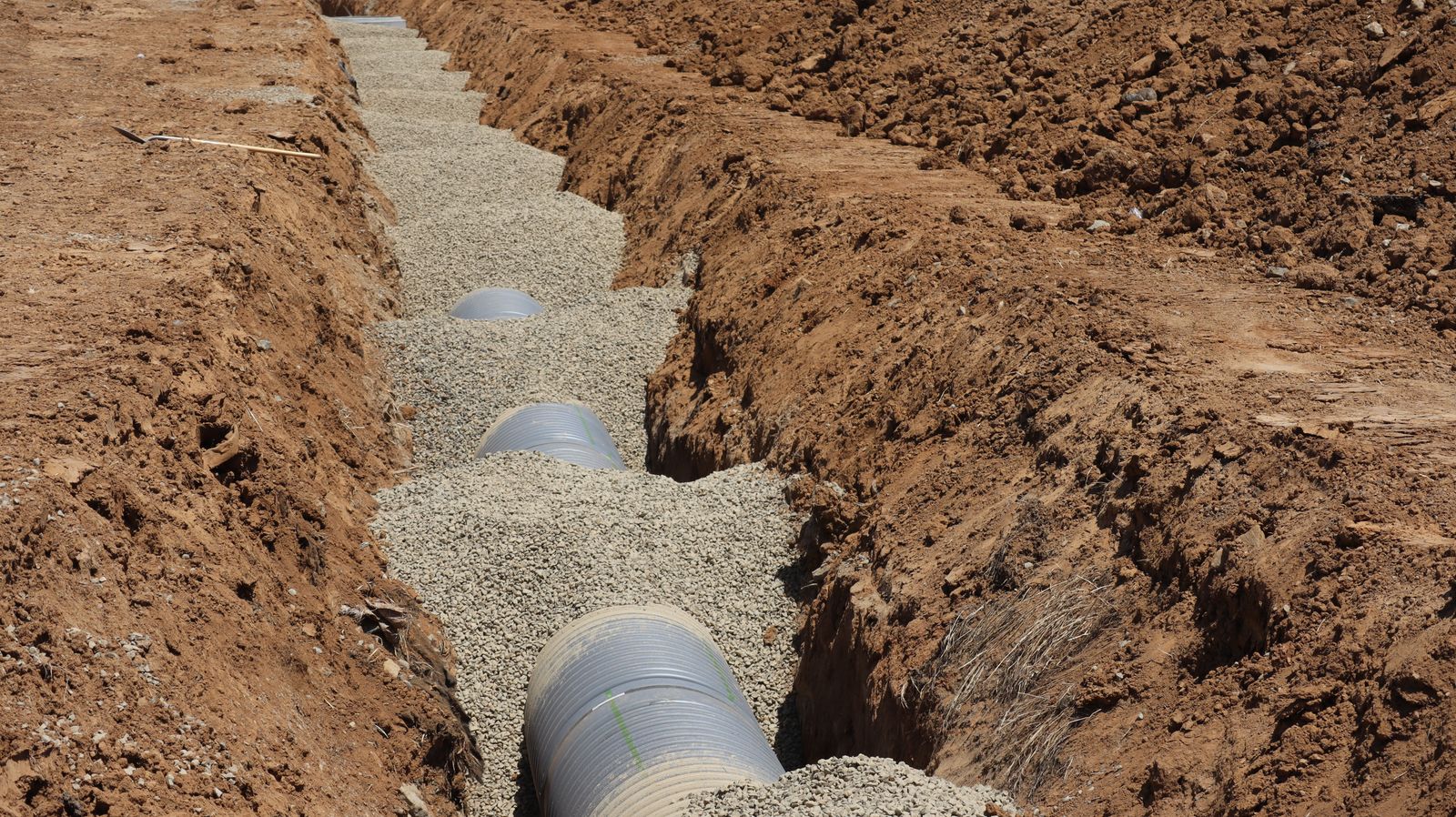
Call and get a straight answer about the buried line between the curb and your house, with a local technician dispatched when you need one.
Serving 17557
A strip of lawn that looks wrong
A soggy, sunken or oddly lush stretch between the street and the house can mean water is escaping from the buried line.
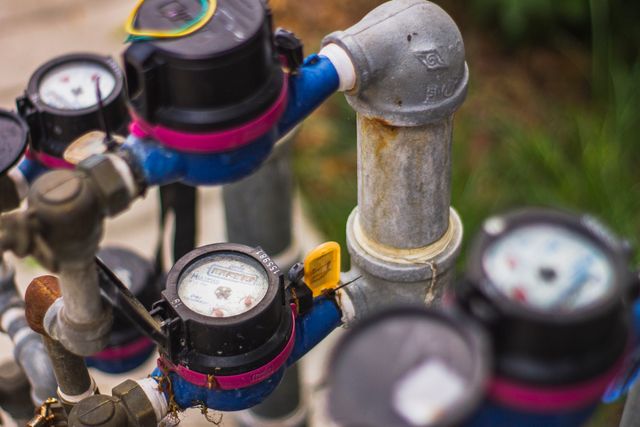
A meter that will not sit still
When the dial keeps turning with every tap and appliance off, water is going somewhere it should not.
Pressure that fell everywhere
If showers, sinks and hose connections all weaken together, the line feeding the house is a prime suspect.
Warning signs
Safe steps
Safety first
If you smell gas, leave the home right away and call the gas utility and 911 from outside.
How a call works
A real person answers around the clock and asks what you are seeing.
How old the house is, where the meter and shut-off sit, what the meter test showed, and whether water is escaping right now.
We connect you with an independent pro who works around New Holland, with same-day and emergency dispatch where available.
The technician explains what is wrong, lays out the choices, and quotes the price before any work begins.
Not sure whether it is the line or something indoors? Describe it and a pro will sort it out with you.
Talk to a main water line pro now
Wondering how old your line is? A local pro can tell you.
Get New Holland help todayLocal housing
The borough of New Holland was settled in 1728 and sits completely inside Earl Township, so one ZIP code, 17557, covers a very mixed set of homes for a community of about 13,800 people. What ties them together is that the line carrying water from the curb to the house was laid when the house was built, and its age explains most of what goes wrong.
Around Main Street, in the New Holland Borough core, houses range from the 18th and 19th centuries through early-20th-century blocks. Lots are tight, basements are common, and an older line may have been patched or rerouted more than once. Most of the newer housing dates from the 1980s and 1990s. Those lines are younger but not new, and joints and fittings start to show their age. The subdivisions and farmland homes around town in Earl Township often have longer runs from the road to the house.
Out in the villages, Martindale and Hinkletown have village homes and older houses where the original pipe may still be in service. Rural properties on a private well are a different job that this site does not cover. If your home is on public water, the rest of this page applies to you.
Winters matter too. Deep frost and repeated freeze-thaw cycles put stress on buried pipe, and a weak spot can show itself in the coldest weeks. As a general rule, homeowners are usually responsible for the private side of the line, from the meter, curb stop or property line to the house, but the split varies, so check with your water provider before assuming.
Our services
Every service here is about the line between the curb and your home. Pick the one that matches your problem, or call and describe it.
When the buried line from the curb to your house has run its course, replacement removes the weak pipe instead of nursing it along. A local pro explains the route, the method and the upfront price before work begins.
A single failed joint or pinhole does not always mean a new line. Spot repair finds the exact failure, opens only that stretch and tells you honestly whether the rest of the pipe looks worth keeping.
Mature trees, a paved driveway or a sloped yard can make a long open trench unwelcome. Trenchless methods use small access holes instead, when the ground and the old line allow it.
A meter that spins with every tap closed, or a soft patch of lawn, points to a leak you cannot see. Locating it precisely means less digging and a clearer answer about what comes next.
Homes of a certain age may still run on the original galvanized or older-material service line. A technician can identify what is there and talk through replacing the private side.
When every faucet in the house runs weak, the problem often sits before the plumbing inside the walls. Testing separates a throttled service line from a valve, a regulator or the provider side.
A shut-off that will not turn is a problem waiting for the wrong moment. Seized, weeping or broken main valves can be repaired or replaced so water can be stopped quickly when it matters.
Why call us
Someone picks up at any hour, so a midnight leak does not have to wait until the morning.
Same-day dispatch is offered where a technician is available, and the dispatcher will tell you honestly what is possible.
The technician explains the price before any work begins, so you decide with the number in front of you.
Anything that could change the price is raised and discussed before the work starts.
Completed work carries a workmanship guarantee, and you can ask the technician for the terms before you agree.
The pros we connect you with work around the borough and Earl Township and recognize how local housing eras behave.
If the problem looks like something else, you will hear that plainly instead of being sold a job.
Service area
Four communities make up the service area, grouped here the way the housing actually divides up.
Common questions
It is the buried pipe that carries water from the meter, curb stop or property line into your house. Everything indoors depends on it, so when it leaks, corrodes or narrows, you can see symptoms in the lawn, on the meter and at every faucet. Because it is underground, problems are often noticed late and are easiest to judge by the signs on this page.
Homeowners are usually responsible for the private side, which runs from the meter, curb stop or property line to the house, but the split varies by provider. The only reliable way to know is to check with your water provider. A technician can also tell you where the private side appears to begin once they see your meter and shut-off.
Have a rough idea of when the house was built, where the meter and main shut-off are, and what you are seeing, such as a wet patch, a moving meter or weak pressure. If you took before-and-after meter photos, mention what changed. You do not need technical terms. The dispatcher asks simple questions and will fill in the rest.
No. A damp patch can come from other sources, including a leak in other plumbing or surface water after heavy rain. That is why the questions on the phone matter. The meter test and the location of the wet area help the technician judge whether the buried line is the likely culprit before anyone starts digging.
No. Many calls are planned, such as an old line that has been losing pressure for months or a shut-off valve that will not turn. Emergency and same-day dispatch are available where a technician is available, but you can also call to talk through options and arrange a visit at a pace that suits you.
No. This site is a referral service that connects homeowners with independent local plumbing professionals, and all work is performed by independent contractors. The technician we dispatch is the one who inspects, explains your options and carries out the job. The disclosure page explains this arrangement in plain language.
Yes. Upfront pricing is explained before work begins, and the technician should raise anything that could change it before starting. There are no hidden fees. If the number does not suit you, say so on the spot. Asking questions about scope and materials before you agree is normal and encouraged.
It can. Deep frost and repeated freeze-thaw cycles stress buried pipe, and an older line with a weak spot may fail in a cold snap. That is a general tendency, not a prediction for your home. If you notice a drop in pressure or a wet patch during winter, treat it as worth a call rather than waiting for spring.
This service covers homes on public water, where a line runs from a meter or curb stop to the house. Well pumps, well lines and septic work are outside what this site handles. If you are unsure which applies to you, describe your setup on the phone and the dispatcher will tell you straight away.
Ready when you are: tell us what the meter and the lawn are doing.
Call for a same-day slot