Find it first
A good repair starts with locating the exact break, so the dig stays small and aimed.
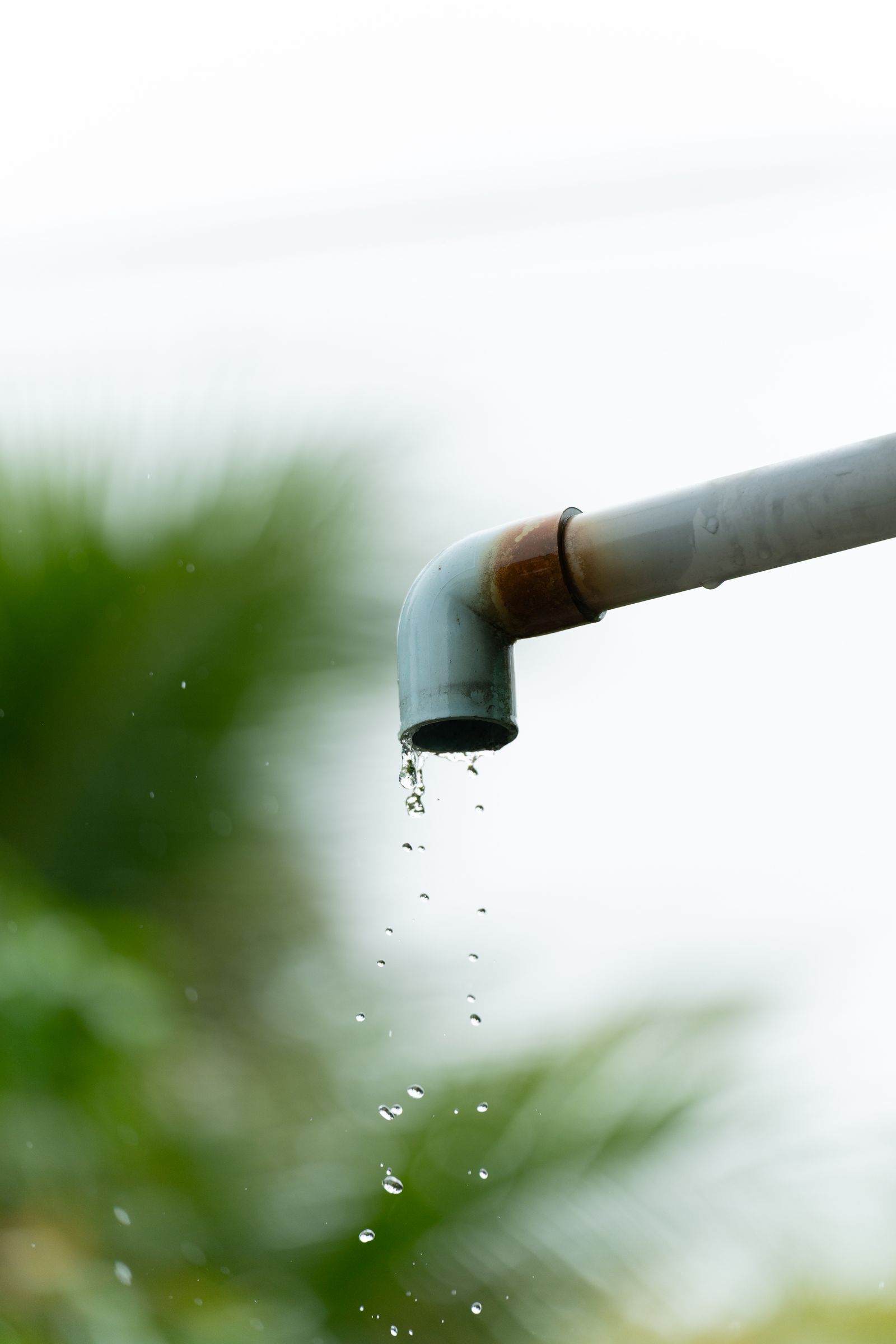
Something is leaking between the street and your house, and you want to know whether it can be fixed without tearing up the yard. Here is how a spot repair works, and when a pro will tell you it is not enough.
Serving 17557
Find it first
A good repair starts with locating the exact break, so the dig stays small and aimed.
Honest about limits
A pro will say when one fix is likely to be followed by another, and what the alternative looks like.
Cold-climate know-how
Local technicians understand how frost and freeze-thaw cycles treat buried pipe around here.
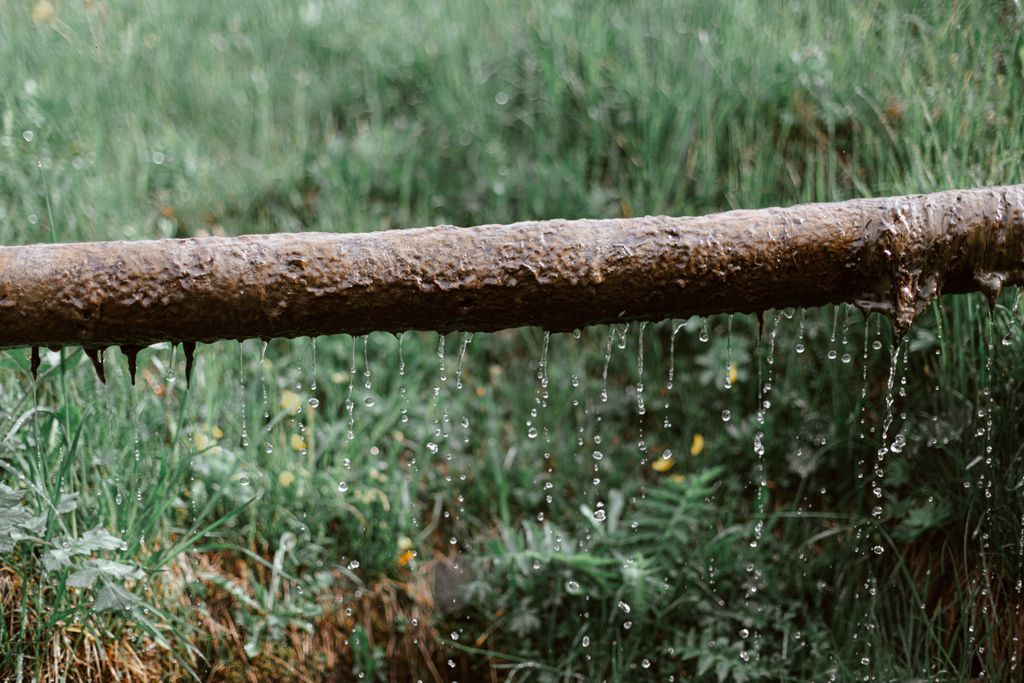
Seeing a wet strip and not sure where it comes from? Describe it and a pro will help.
Have your questions answered by phoneSpot repair
A repair makes sense when the damage is limited to a short stretch and the rest of the pipe is in decent shape. Think of a single cracked section, a failed joint, or a spot a shovel or a root has damaged. The technician exposes that stretch, cuts out the bad piece and joins in new pipe with proper fittings.
The word that matters is "limited". If the line has one weak point and the surrounding pipe looks sound when it is uncovered, a spot fix can be a sensible and economical way to get water flowing again. If the pipe on either side is thin, flaking or crumbling, the technician will say so, because repairing one end of a tired line often just moves the failure a few feet along.
You will usually hear one of two verdicts after the first look. Either the problem is contained and a repair makes sense, or the line is showing signs of wider failure and replacing the line deserves a serious conversation. Both are honest answers, and asking for the reasoning is always fair.
Locating the break
Water travels. It follows the easiest path along a pipe and can surface many feet from where it actually escapes, so the wet patch in your lawn is a clue and not an address. Digging at the wet spot is how a small job turns into a large one.
Technicians work through the problem in steps. A meter check confirms water is really leaving the system. Pressure behavior at the taps hints at which stretch of line is involved. Then listening gear and other non-invasive tools help narrow the location to a short section before the ground is opened. The page on water line leak detection goes through those methods in plain language.
Your own notes help more than you might think. Where did you first see the wet ground? Did the pressure fall all at once or slowly? Did the meter start moving after a freeze? Tell the dispatcher, and tell the technician again on arrival, because each detail narrows the search.
Causes
No single cause explains every leak, but a handful come up again and again:
Often it is a combination. An older pipe that has corroded a little is much more likely to break when the ground heaves in a hard winter. That is a general tendency and not a prediction for your house, but it is why leaks show up more in cold snaps than in mild seasons.
Found a wet spot or a moving meter? Call and talk it through before anyone starts digging.
Call for a line check todayThe job
A typical repair follows a steady order, although each property changes the details.
Surfaces matter here. If the break lies below a sidewalk, step or driveway, the technician can usually explain whether the work will reach the pipe from the side, go under the paving, or require a cut-out section. Settling of soil over a patched area afterwards is normal, so ask how the top of the trench will be left.
Safety first
If you smell gas, leave the home right away and call the gas utility and 911 from outside.
Safe steps
Warning sign
Sometimes a repair is the right fix and also a useful signal. If the pipe falls apart when it is uncovered, if a second leak appears within weeks, or if the pipe is made of a material the technician knows to be near the end of its working life, the repair may be an early look at wider trouble.
No one can promise a repair will prevent the next failure. A good fix returns the line to service, and that is all. What it cannot do is change the condition of the rest of the pipe. If the technician sees corrosion, thin walls or a pattern of earlier patches, they should say so and describe the options, including trenchless water line replacement when the route and the soil allow it.
You are not obliged to decide on the spot. Ask what the pipe looked like, what the technician would watch for, and what signs would suggest a return call. Photos of the exposed pipe are a reasonable thing to request.
New Holland homes
The New Holland Borough core holds 18th and 19th-century houses alongside early-20th-century blocks, with tight lots and basement entries. A line there may have been patched or rerouted before, so a fresh leak can turn up beside old repairs.
The 1980s and 1990s homes surrounding the borough have younger lines, but joints and fittings from those decades can begin to fail, and the first exposed section often shows whether a leak is a one-off.
Across Earl Township, subdivisions sit near town, while farmland homes can have a long run from the road to the house. In the villages of Martindale and Hinkletown, older village houses and some farmhouses may still rely on original pipe.
Repairs on the private side, meaning the line from the meter, curb stop or property line to the house, are usually the homeowner’s concern. The dividing point varies, so check with your water provider.
Not sure whether the leak is on your side of the meter? Call and a pro will help you sort it out.
Talk to a main water line pro nowLeak questions
Often, yes, if the damage is limited to a short section and the surrounding pipe is in sound condition. The technician exposes the leak, cuts out the damaged piece and joins in new pipe. If the pipe on both sides is thin or corroded, a patch may not hold for long, and the technician should tell you plainly and talk through other options before you agree to the work.
By narrowing it down first. The technician checks the meter, looks at how pressure behaves in the house and uses listening gear and other non-invasive tools to pinpoint a short stretch of line. Only that stretch is opened. Water can surface well away from the actual break, so the wet patch itself is not a reliable place to start digging.
Not necessarily, but nobody can promise a repair will prevent future failure. A properly made repair fixes that section. The rest of the line is the same age and condition as before. If the exposed pipe looks sound, a repair may serve for a long time. If it looks tired, the technician should say so honestly, and you can weigh replacement before the next leak.
It happens often, because the line usually crosses the walk on its way to the house. The technician can explain whether they would reach the pipe from the side, tunnel under the paving or cut a section out and restore it afterwards. Each option has trade-offs for the surface above. Ask before work begins how the paving will be left and who handles the finish.
There is no single depth to rely on. In this cold climate, frost depth is a major factor in how deep a line was laid, but older lines and different lots vary. The technician locates your actual line before digging and tells you what they find, so you are not working from a guess. Ask them to show you the depth they measure on your lot and to explain how it affects the size of the excavation and the way the work is planned.
Responsibility for the pipe between the meter or curb stop and the house usually rests with the owner, yet where it ends and the provider’s part begins can differ, so confirm with your water provider. If the leak appears to be on the provider’s side, they will want to hear about it. A technician can tell you where your meter and curb stop sit, and where the private side appears to begin.
The technician will tell you when. After the new section is joined in, the line is tested, and water is turned back on once the repair has held. It is normal to see some air in the taps for a short while, and the technician explains what to expect. Ask them what to watch for in the first days, and call if the meter keeps moving.
Cold weather stresses buried pipe in a few ways. Deep frost can reach shallow sections, repeated freeze-thaw cycles move the ground around the pipe, and a line that was already thin or corroded may have been one cold snap away from failing. This is a general tendency and not a rule. A pro can look at where and how your pipe failed and give you a clearer picture.
Ask where the break is and how it was located, how big the excavation will be, what material goes in, how the surface will be restored, and what the pipe looked like. Ask whether the technician sees signs of wider trouble. Upfront pricing is explained before work begins, so you can compare a repair with other options with the numbers in front of you.